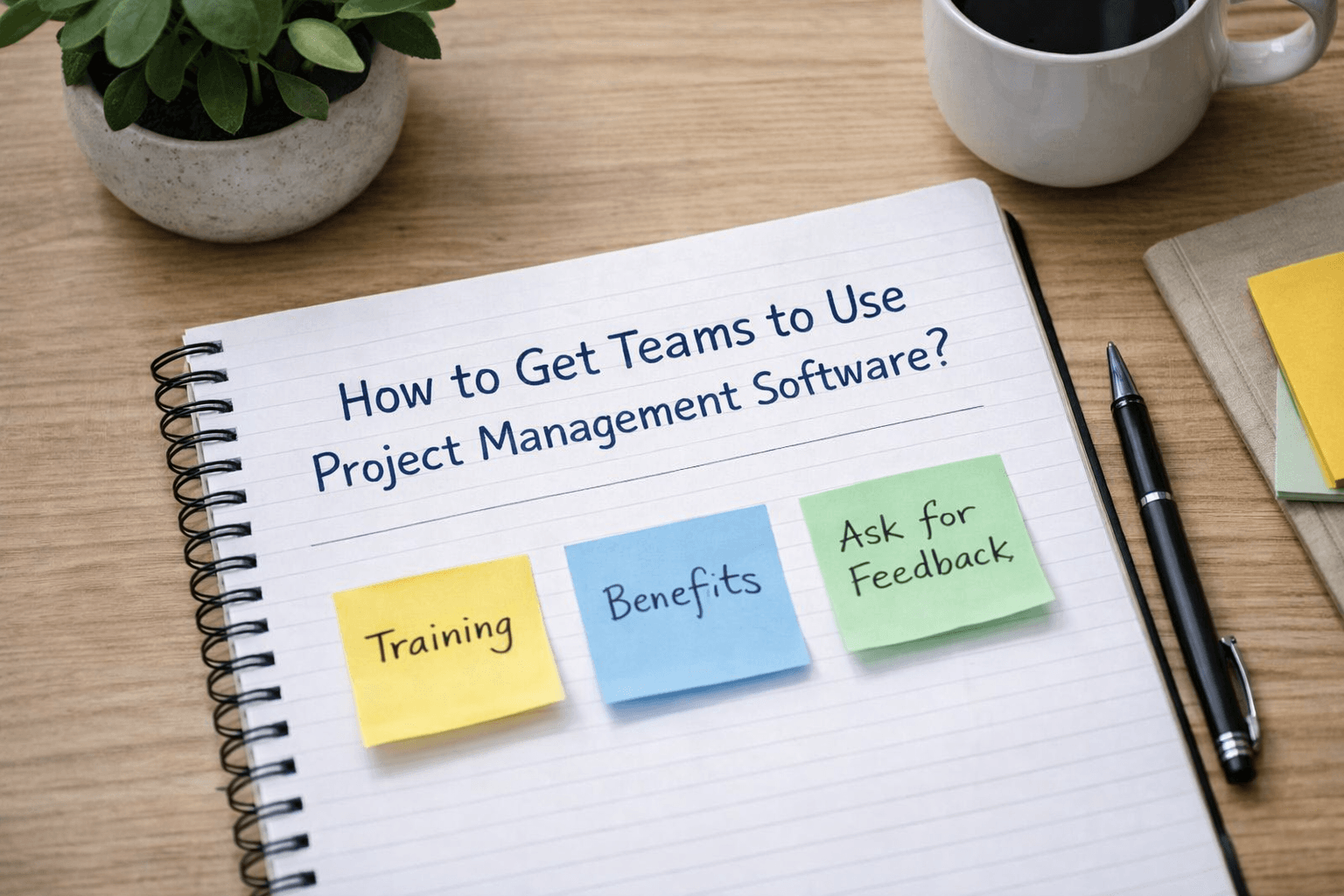
How to Get Teams to Use Project Management Software
Learn how to get your team to consistently use project management software. Improve adoption, build habits, and make the system part of daily work.
The case for open-source project management software rests on three specific arguments, not a general preference for free software. First, data sovereignty: self-hosted tools keep project data, client names, and internal communications on infrastructure you control, subject to your own data retention and access policies rather than a vendor's terms of service. Second, cost at scale: per-seat pricing compounds aggressively as teams grow; a 50-person organisation paying $11 per user per month on Asana spends $6,600 per year on software licences, before considering annual price increases. A self-hosted open-source tool eliminates that recurring cost after initial setup. Third, customisation: open-source platforms can be modified, extended, and integrated in ways that closed SaaS products do not permit.
Against these advantages stand real limitations: installation and maintenance require technical capacity, mobile apps are weaker than commercial alternatives, and customer support is community-dependent. This guide covers which open-source project management tools are genuinely usable in 2026 and which situations they suit.

Tux, the Linux mascot (created by Larry Ewing). The open-source software movement that Linux represents is the foundation on which all self-hosted project management platforms are built. Most run on Debian or Ubuntu Linux servers, often via Docker containers.
A side-by-side breakdown of open-source project management tools with their core capabilities and technical requirements.
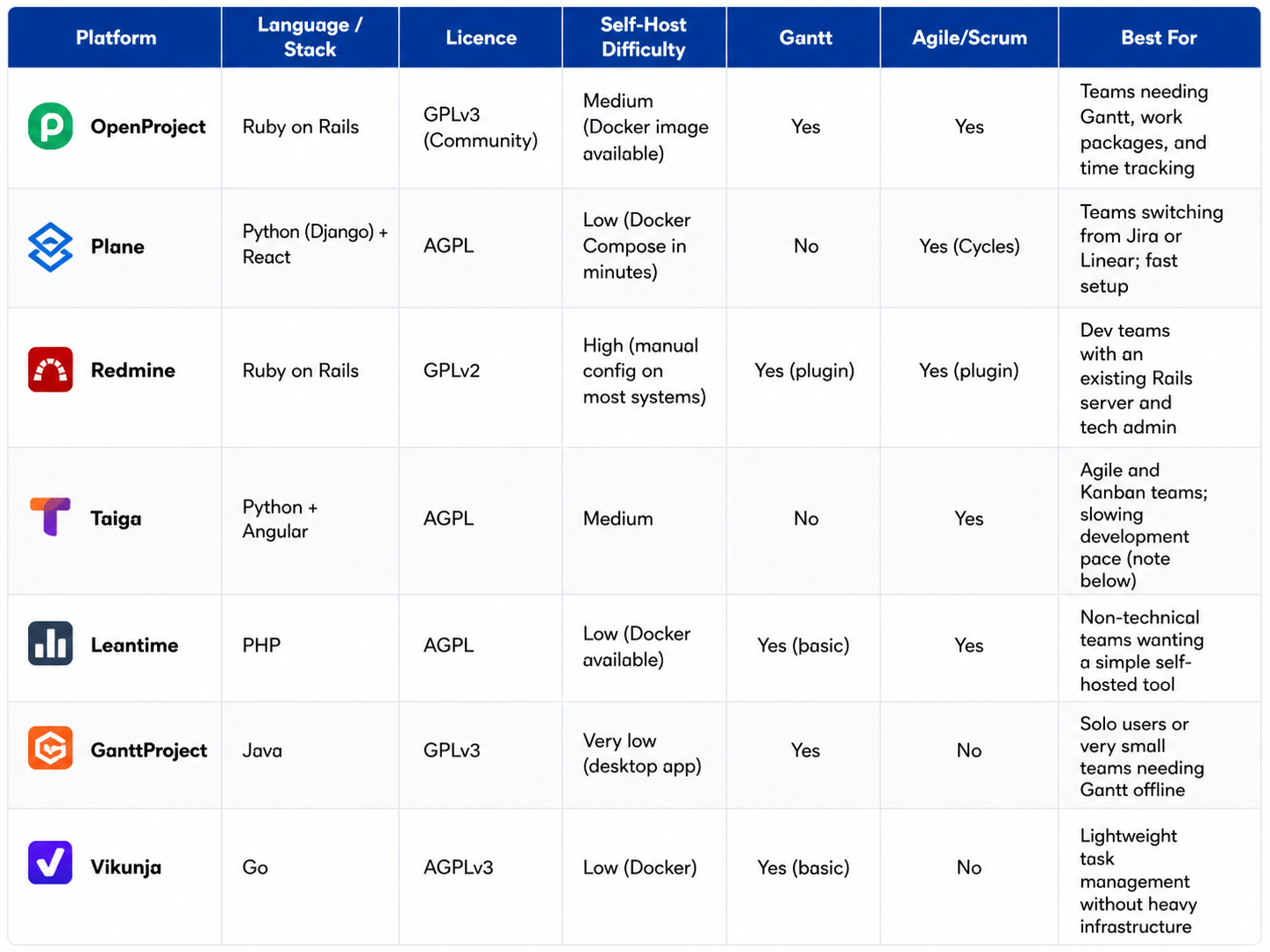
Platform | Language / Stack | Licence | Self-Host Difficulty | Gantt | Agile/Scrum | Best For |
|---|---|---|---|---|---|---|
OpenProject | Ruby on Rails | GPLv3 (Community) | Medium (Docker image available) | Yes | Yes | Teams needing Gantt, work packages, and time tracking |
Plane | Python (Django) + React | AGPL | Low (Docker Compose in minutes) | No | Yes (Cycles) | Teams switching from Jira or Linear; fast setup |
Redmine | Ruby on Rails | GPLv2 | High (manual config on most systems) | Yes (plugin) | Yes (plugin) | Dev teams with an existing Rails server and tech admin |
Taiga | Python + Angular | AGPL | Medium | No | Yes | Agile and Kanban teams; slowing development pace (note below) |
Leantime | PHP | AGPL | Low (Docker available) | Yes (basic) | Yes | Non-technical teams wanting a simple self-hosted tool |
GanttProject | Java | GPLv3 | Very low (desktop app) | Yes | No | Solo users or very small teams needing Gantt offline |
Vikunja | Go | AGPLv3 | Low (Docker) | Yes (basic) | No | Lightweight task management without heavy infrastructure |
Pick a tool that fits your team’s setup whether you need simple deployment or deeper customization and control.
Practitioners on forums including Hacker News, the Cloudron community, and r/selfhosted report recurring issues with open-source project management tools that vendor documentation often fails to surface. OpenProject and Redmine break on non-standard Linux configurations and fail database migrations without manual SQL intervention when upgrading between major versions. Email notification reliability is inconsistent across Taiga, Leantime, and Wekan, requiring SMTP configuration that cloud tools handle automatically. Plugin ecosystems for Redmine degrade over time as plugin maintainers abandon compatibility with newer core versions, a problem that has worsened since 2022. Mobile apps are weak or absent: Redmine has no official mobile app; OpenProject's mobile experience is functional but significantly behind commercial alternatives. Taiga's development pace has slowed noticeably since 2022.
Plane is the strongest new entrant in this category for 2026: Docker Compose setup takes under 30 minutes on a standard VPS, the interface is comparable to Jira in structure, GitHub integration is native, and the active development pace addresses issues faster than any other open-source PM tool. The open-core model (SSO and SAML gated behind the paid cloud tier, not the self-hosted community edition) is a limitation for enterprise users but is not relevant for most self-hosting teams.
Question | If Yes | If No |
|---|---|---|
Do you have someone who can maintain a Linux server? | Open source is viable | Use SaaS; maintenance cost exceeds licence savings |
Is data sovereignty a legal or contractual requirement? | Self-hosted is justified regardless of cost | SaaS is simpler and more reliable |
Do you have more than 30 users? | Cost savings from open source are significant | Per-seat SaaS cost is manageable |
Do you need developer workflow features (Git linking, sprints)? | Plane or OpenProject with plugins | Vikunja or Leantime for simpler task tracking |
Do you need Gantt charts? | OpenProject, Redmine + Gantt plugin, Leantime, GanttProject | Plane, Taiga, Vikunja (no native Gantt) |
Is fast initial setup more important than deep features? | Plane (Docker Compose, under 30 minutes) | OpenProject for full-featured but longer setup |
Official OpenProject tutorial covering initial setup, work packages, Gantt charts, and team configuration. Published September 2025 by the OpenProject team. Useful for teams evaluating OpenProject Community Edition as a self-hosted alternative to Asana or Jira.
Open source project management is the right call when data sovereignty is a legal requirement, when team size makes per-seat licensing genuinely expensive, or when your stack needs customisation that SaaS vendors will not permit. It is the wrong call when your team lacks the technical capacity to maintain a server, or when setup time and ongoing administration would cost more than the licence savings justify. Plane is the strongest starting point for most teams evaluating this category in 2026 fast to deploy, actively maintained, and close enough to Jira in structure that migration friction is low. For every other use case, the decision criteria table above will point you in the right direction.
The software licence is free, but the total cost of ownership is not zero. Self-hosting requires a VPS or server (typically $10 to $50 per month depending on team size), initial setup time (2 to 8 hours for most platforms), and ongoing maintenance for updates and backups. The realistic comparison is not open-source versus zero cost but open-source (server + maintenance time) versus SaaS (per-seat licence + no maintenance). For teams above 30 users, open-source typically saves money even accounting for maintenance. For small teams, the savings are modest.
Plane is the fastest to set up in 2026: a Docker Compose file handles the full stack (database, cache, application, worker) and most teams are running it within 30 minutes on a standard VPS. Leantime and Vikunja are also low-complexity deployments. Redmine and OpenProject require more configuration, particularly for email and authentication, and are more likely to encounter version-compatibility issues during upgrades.
Plane is the closest structural equivalent to Jira among open-source options: it uses the same issue-centric model with cycles (sprints), modules (epics), and views (board, list, spreadsheet), and integrates with GitHub. Redmine is the historical Jira alternative with the deepest feature set but the steepest maintenance burden. OpenProject is stronger for organisations that prioritise Gantt charts and project timelines over Agile sprint management.
Yes. Plane, OpenProject, Taiga, Leantime, and Vikunja all provide official Docker images and Docker Compose configurations. OpenProject and Plane also have Helm charts for Kubernetes deployments, though Kubernetes adds complexity that most small teams do not need. Running on a single-node Docker Compose deployment on a $20 to $40 per month VPS is sufficient for most teams under 50 users.
When you self-host, all project data, user data, and files remain on your server under your control. The vendor has no access to your data, no ability to query it, and no right to use it under their terms of service. This matters for organisations handling client data under GDPR, HIPAA, ITAR, or contractual data residency requirements. Verify that your hosting provider's data centre location satisfies your specific jurisdiction requirements; selecting a provider that hosts only in the EU or only in the US is often part of the compliance architecture.
Mobile app quality is the most consistently cited limitation: Redmine has no official mobile app; OpenProject's mobile experience is functional but behind commercial tools; Plane's mobile app is improving but not yet at parity with ClickUp or Asana. Email notification configuration requires SMTP setup that cloud tools handle automatically. Plugin and integration ecosystems are narrower than commercial platforms: Zapier, Make, and most enterprise integrations require custom development rather than point-and-click configuration. And upgrade management is an ongoing responsibility that cloud tools eliminate entirely.
Learn how to get your team to consistently use project management software. Improve adoption, build habits, and make the system part of daily work.
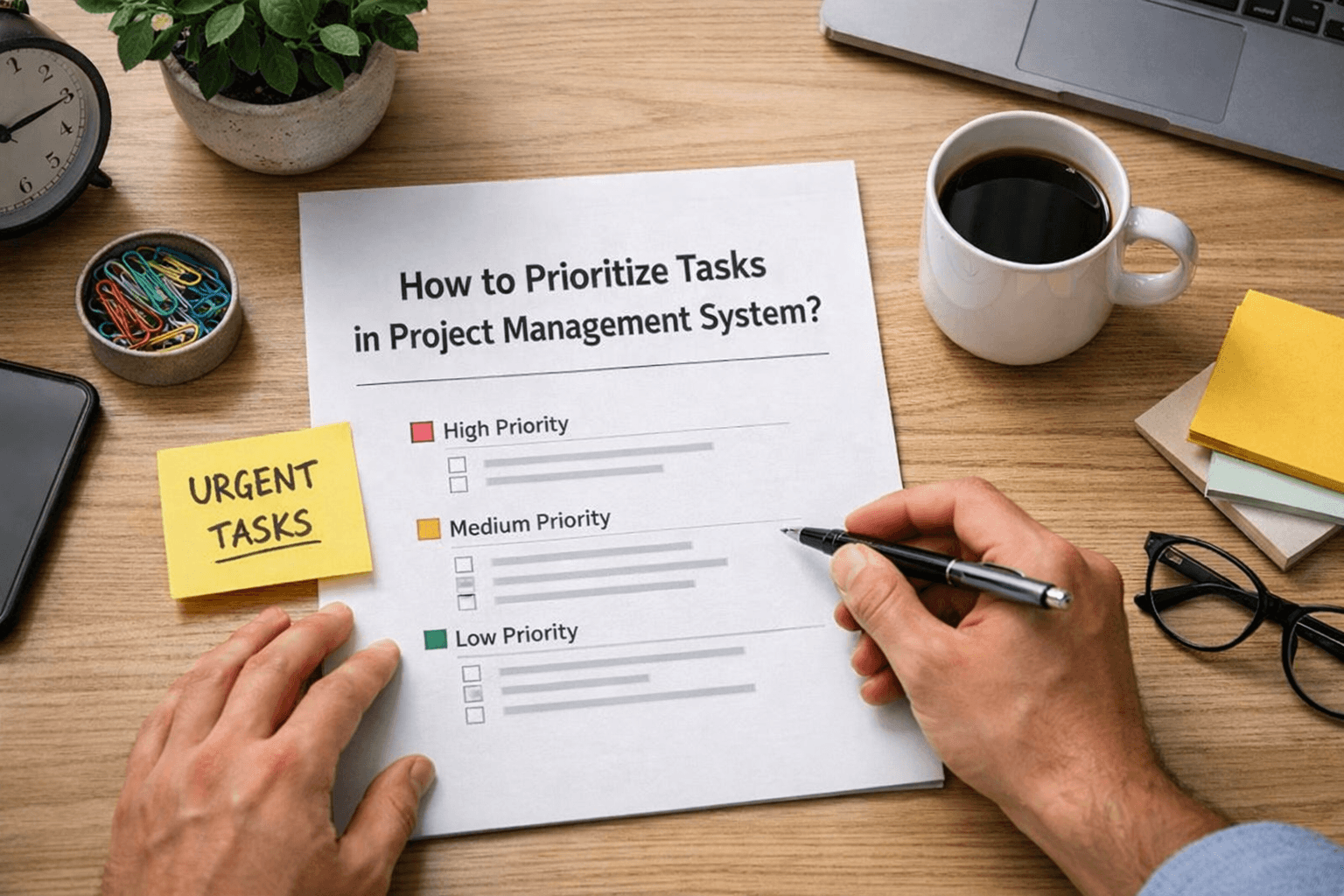
Learn how to prioritize tasks in a project management system. Understand what to focus on first and how to manage tasks without confusion or delays.
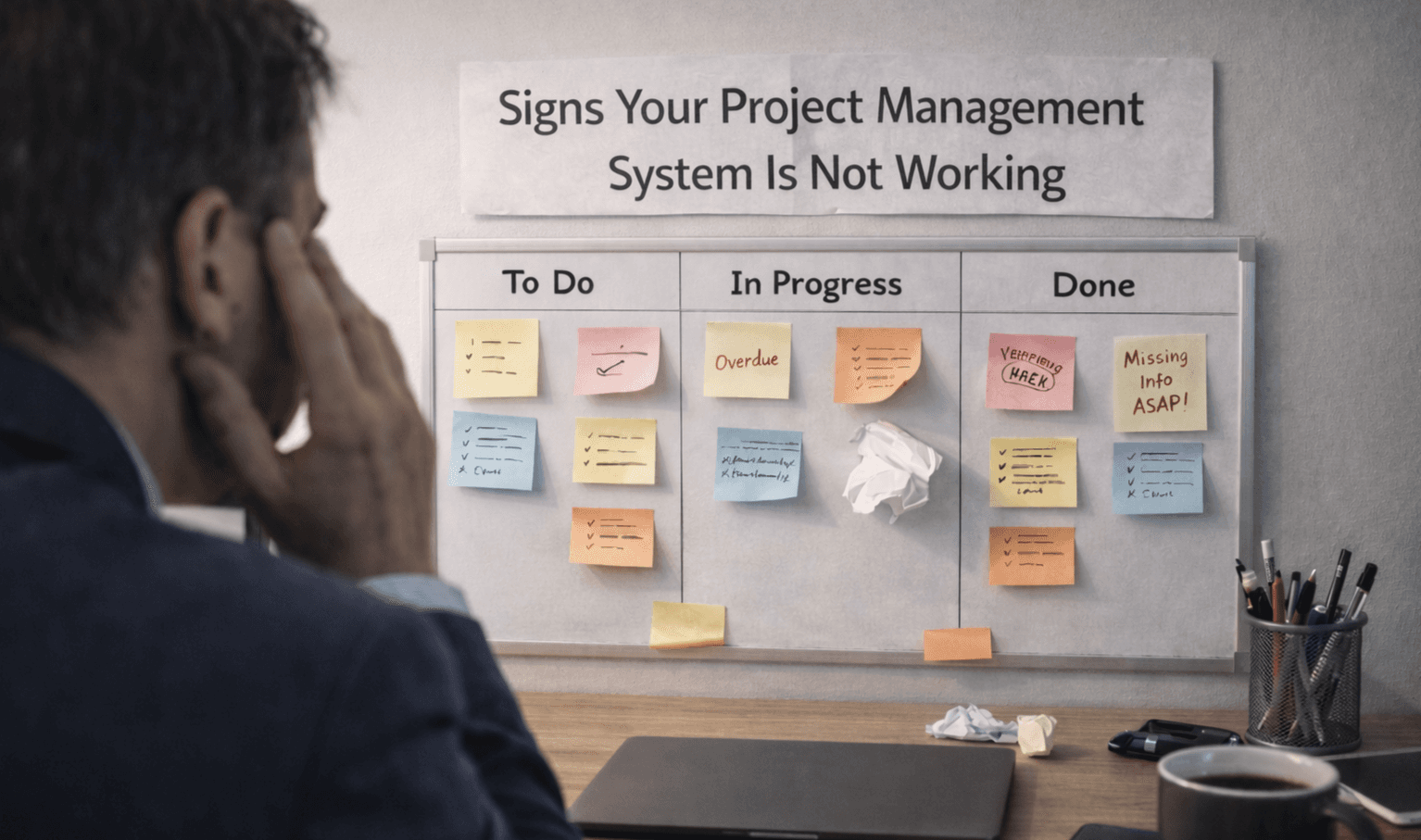
Learn the key signs your project management system is not working. Spot issues early and understand where your workflow is breaking down.
Learn how to manage multiple projects without losing track of work. Use simple systems and clear visibility to stay organized and keep teams aligned.